Beauty & Self-Care · 14 min read
The Peptide Conversation
What science really says about beauty, recovery and the future of ageing well.
· Updated

There is a new language finding its way into the world of wellness.
It appears on beautifully packaged skincare bottles, in conversations about healthy ageing, and increasingly across social media, where promises of rejuvenation, faster recovery and improved longevity seem to appear almost daily.
At the centre of it all is one word.
Peptides.
Once largely confined to scientific literature and medical discussions, peptides have become one of the most talked-about subjects in contemporary beauty and wellness.
They're appearing in serums designed to improve the appearance of ageing skin, medicines used to treat serious health conditions and experimental treatments promoted as the next frontier in human optimisation.
The possibilities are certainly intriguing.
But as with many developments in wellness, the conversation has begun moving faster than the evidence.
And when scientific language becomes part of everyday marketing, it can become difficult to distinguish genuine progress from an appealing promise.
So what exactly are peptides?
And how much of the excitement surrounding them is supported by science?
The Science Behind the Conversation
To understand peptides, it helps to begin with something remarkably simple.
Our bodies are made up of countless molecules that work together to keep us functioning.
Proteins play an important role in this process. They're involved in everything from maintaining muscle and skin structure to supporting enzymes and countless biological functions.
Proteins are made from building blocks called amino acids.
Peptides are relatively short chains of these same building blocks.
Some occur naturally in the body and participate in processes such as hormone signalling, metabolism and tissue regulation.
Others can be manufactured for use in medicines, cosmetics and scientific research.
This is where the subject becomes particularly interesting.
Because the word peptide doesn't describe one specific treatment or benefit.
It describes an enormous and diverse group of molecules.
And while some peptide-based medicines have decades of clinical use behind them, others remain at the earliest stages of investigation.
The distinction matters far more than the marketing suggests.

One Word, Three Very Different Worlds
Perhaps the most common misunderstanding is that all peptides belong to the same category.
They don't.
A peptide in a moisturising serum is not necessarily comparable to a prescription medicine.
And neither should be confused with experimental compounds sold online for anti-ageing or recovery.
To understand the conversation, we need to look at these worlds separately.
01. Peptides in Skincare
Walk into a beauty store today and you're likely to encounter peptide serums, peptide moisturisers and products claiming to support collagen, firmness and smoother-looking skin.
Commercial cosmetic formats include peptide creams, peptide serums, peptide moisturisers, peptide eye creams and peptide masks or treatments. Product form alone does not prove effectiveness: the formula, peptide concentration and evidence for the finished product matter.
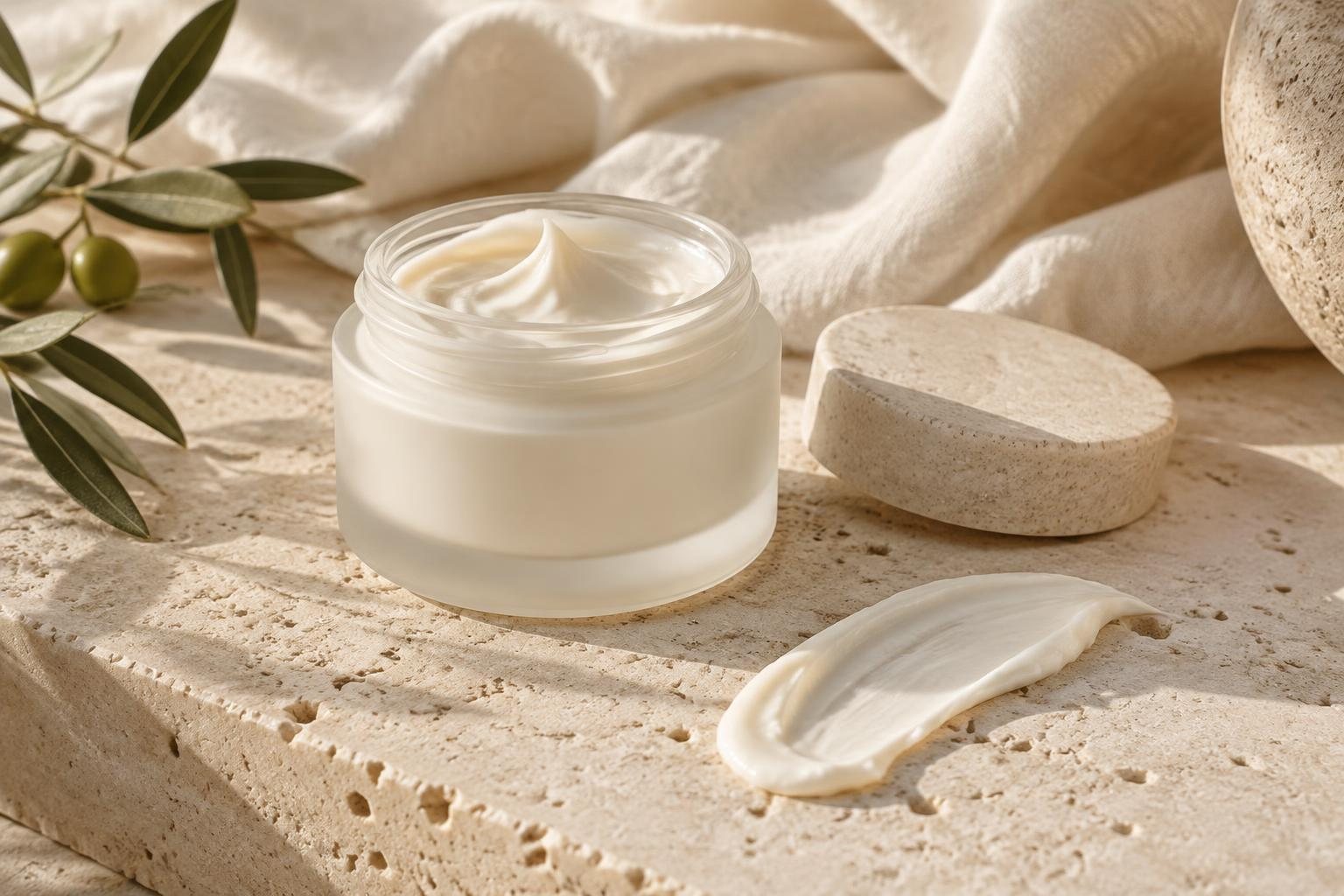
Some formulas contain what are known as signal peptides — ingredients investigated for their ability to influence processes associated with the skin's structural proteins.
Others contain carrier peptides, including copper-binding peptides, which have attracted scientific interest in relation to skin biology and repair.
One widely discussed example is GHK-Cu, a copper-binding peptide studied in laboratory and dermatological research.

The idea is appealing: could selected peptides help improve visible signs of skin ageing?
There is some evidence suggesting that certain formulations may offer modest benefits.
A 2026 systematic review and meta-analysis examined 19 randomised controlled trials involving 1,341 participants, covering oral and topical peptide products.
It reported improvements in some skin outcomes, particularly hydration, although results varied by formulation and many of the pooled benefits were driven by oral products rather than topical creams.
Evidence for changes in skin elasticity was less consistent.
And that's an important detail.
A promising ingredient is not the same thing as a proven product.
A promising ingredient is not the same thing as a proven product.
The effectiveness of a topical peptide depends on factors including its formulation, concentration, stability and ability to interact with the relevant layers of skin.
Not every peptide serum will produce the same result, and not every marketing claim is supported by high-quality clinical evidence.
For readers interested in peptide skincare, the most reasonable approach is curiosity combined with realistic expectations.
A well-formulated serum may complement an existing routine.
But it isn't a replacement for the fundamentals of skin health.
And topical cosmetic GHK-Cu should not be confused with unapproved injectable GHK-Cu, which raises very different safety and regulatory concerns.
02. Peptides in Medicine
This is where peptide science has already made a substantial contribution.
Peptide-based medicines are not a futuristic concept.
They have been used in established medical treatments for decades.
Insulin is one of the most familiar examples.
More recently, medications acting on the glucagon-like peptide-1, or GLP-1, pathway have attracted enormous attention for their role in treating conditions such as type 2 diabetes and obesity.
Certain GLP-1 receptor agonists have demonstrated meaningful clinical benefits in large human trials and are approved for specific medical uses.
These developments show that peptide-based therapies can have genuine medical value.
But they also highlight an important distinction.
A medicine becomes an established treatment through a process of clinical investigation, regulatory assessment and continued safety monitoring.
Researchers need to understand not only whether a treatment works, but also its potential adverse effects, appropriate uses and limitations.
And even an approved medicine is not suitable for everyone.
Its benefits need to be considered alongside individual medical history, possible risks and the condition being treated.
The success of one peptide-based medicine doesn't establish the safety or effectiveness of another peptide.
Nor does it mean that every compound affecting a biological pathway is a worthwhile longevity treatment.
Scientific progress deserves attention.
But different treatments must earn their credibility through their own evidence.
03. The Emerging World of Recovery and Longevity Peptides
Beyond established medicines and cosmetic formulations, another category has attracted growing attention.
These are experimental peptides promoted for purposes such as injury recovery, muscle growth, tissue repair, skin rejuvenation and longevity.
Names such as BPC-157, TB-500 and CJC-1295 now appear regularly in online wellness discussions.
They are often surrounded by enthusiastic personal stories and claims about accelerating the body's natural repair processes.
Some of the laboratory findings are interesting.
But laboratory findings are not the same as proof of benefit in people.
For example, BPC-157 has been investigated in animal research involving tissue injury and repair.
Researchers have reported biological effects that warrant further scientific investigation.
However, well-designed human clinical trials establishing its safety and effectiveness for routine injury recovery are lacking.
Similar concerns apply to several other experimental peptides being promoted for anti-ageing or performance.
At present, there is insufficient high-quality human evidence to support many of the benefits claimed in online marketing.
And perhaps more importantly, there are significant unanswered questions about safety.
In Australia, the Therapeutic Goods Administration has issued explicit warnings about unapproved peptide products, including BPC-157, GHK-Cu, TB-500 and CJC-1295.
These products have not been assessed by the TGA for safety, quality and effectiveness as approved therapeutic goods.
The agency has also reported serious adverse effects associated with unapproved peptide use, including liver damage and severe allergic reactions.
These warnings shouldn't be confused with the regulation of approved peptide medicines or appropriately classified cosmetic products.
The lesson is not that peptide science should be dismissed.
It's that innovation and clinical readiness are two very different things.
Why the Promise of Peptides Is So Appealing
It's easy to understand why the subject has captured so much attention.
We are living in a period of remarkable scientific development.
Researchers are exploring increasingly sophisticated ways to understand ageing, metabolism, inflammation and cellular signalling.
At the same time, our expectations around health are changing.
Many people are no longer interested only in avoiding illness.
They want to remain physically capable, maintain their independence, feel confident in their appearance and enjoy good quality of life for as long as possible.
These are understandable aspirations.
And peptide research fits naturally into the broader scientific interest in improving health and treating disease.
But there is a risk when the desire to age well becomes a belief that every biological process should be manipulated or optimised.
Our bodies are extraordinarily complex.
A signalling pathway that appears beneficial in one setting may have unintended effects in another.
Stimulating a particular process does not automatically translate into better overall health.
And influencing a laboratory marker is not the same as demonstrating that people live longer or feel better.
The most exciting scientific discoveries still need to answer a deceptively simple question.
Does this meaningfully improve human health, and is it safe enough to justify its use?
Until researchers can answer that question with reliable evidence, a compelling theory remains just that.
A theory worth investigating.
The Difference Between Promising and Proven
One of the most useful things we can learn as wellness consumers is how to recognise different levels of evidence.
A laboratory experiment may show that a compound affects a particular type of cell.
An animal study may suggest that the same compound influences a biological process.
A small human study might provide preliminary evidence of a potential benefit.
But none of these stages necessarily establishes that a treatment is effective and safe for widespread use.
Strong clinical evidence usually requires carefully designed human trials, meaningful outcomes, suitable comparison groups and an adequate understanding of adverse effects.
Longer-term research may also be needed.
This is particularly important for treatments being promoted to otherwise healthy people, where the balance between potential benefit and risk may be very different from that of a medicine treating a serious illness.
There is also the issue of product quality.
Unapproved peptides sold through online marketplaces may not contain what their labels claim.
Purity, concentration, contamination and sterility can be difficult to verify.
Even a product advertised as laboratory-tested or for research use only is not necessarily suitable for human administration.
A familiar scientific name is not a guarantee of safety.
And a persuasive testimonial, however genuine it may seem, cannot replace controlled clinical research.

Five Questions Worth Asking Before Believing the Hype
You don't need a background in medicine or biochemistry to approach emerging wellness treatments thoughtfully.
Sometimes, the most useful questions are the simplest.
01. What exactly is the product?
Is it a cosmetic serum, a dietary supplement, an approved medicine or an experimental compound?
The word peptide alone tells you very little about its intended purpose or safety.
02. Has it been studied in humans?
Laboratory and animal research can be valuable early steps.
But if a product is being promoted for human health, evidence from well-designed human studies matters.
Look beyond the number of studies and consider what they actually measured.
03. What benefits have genuinely been demonstrated?
A product may influence a biological marker without improving a person's health, appearance or quality of life in a meaningful way.
Be cautious when scientific terminology is used to support claims that extend beyond the available research.
04. What do we know about the risks?
Every biologically active treatment has the potential for unwanted effects.
For an experimental compound, some of those risks may simply not be understood yet.
A lack of reported problems is not the same as proof of safety.
05. Is the source trustworthy?
Consider who is providing the information.
Is it an independent scientific organisation, a qualified medical professional or a company selling the product?
Commercial involvement doesn't automatically invalidate research, but transparency, independent replication and regulatory status matter.
These questions are not intended to discourage curiosity.
They're designed to make curiosity more useful.

Where Do Collagen Peptides Fit In?
Collagen peptides are another part of the conversation, but they belong in a different category from experimental injectable treatments.
Collagen is a structural protein found throughout the body, including in skin, bones and connective tissues.
Hydrolysed collagen supplements contain smaller protein fragments produced by breaking down collagen.
They're commonly marketed for skin hydration, elasticity and joint health.
Research into their potential benefits is ongoing, with some clinical trials reporting improvements in selected outcomes.
However, the findings are mixed, and questions remain about the size, consistency and clinical significance of these effects.
Consuming collagen-derived peptides does not mean they travel directly to the skin and become new collagen.
The body digests and processes these nutrients through normal physiological pathways.
This distinction is especially relevant as homemade gelatin and collagen-rich foods become increasingly popular in beauty routines.
And it's a subject worth exploring in its own right.
Sometimes, the most interesting wellness questions begin with something as ordinary as the food on our table.
A Mediterranean Perspective on Ageing Well
The excitement surrounding peptides raises a broader question about what it actually means to age well.
Modern wellness culture often focuses on what we can add.
A new treatment. A supplement. A more sophisticated routine.
But there is also value in considering the habits that have supported human health long before the language of optimisation became fashionable.
A nourishing meal shared with family.
Walking through a neighbourhood in the afternoon.
Spending time outdoors while protecting our skin from excessive sun exposure.
Resting well, staying physically active and maintaining meaningful connections.
These habits are not glamorous scientific breakthroughs.
Nor are they substitutes for medical treatments when those treatments are needed.
But many have substantial evidence supporting their role in long-term health.
From a skincare perspective, for example, consistent sun protection remains one of the most established ways to reduce premature skin ageing.
From a broader health perspective, regular physical activity, adequate sleep and balanced nutrition remain essential foundations.
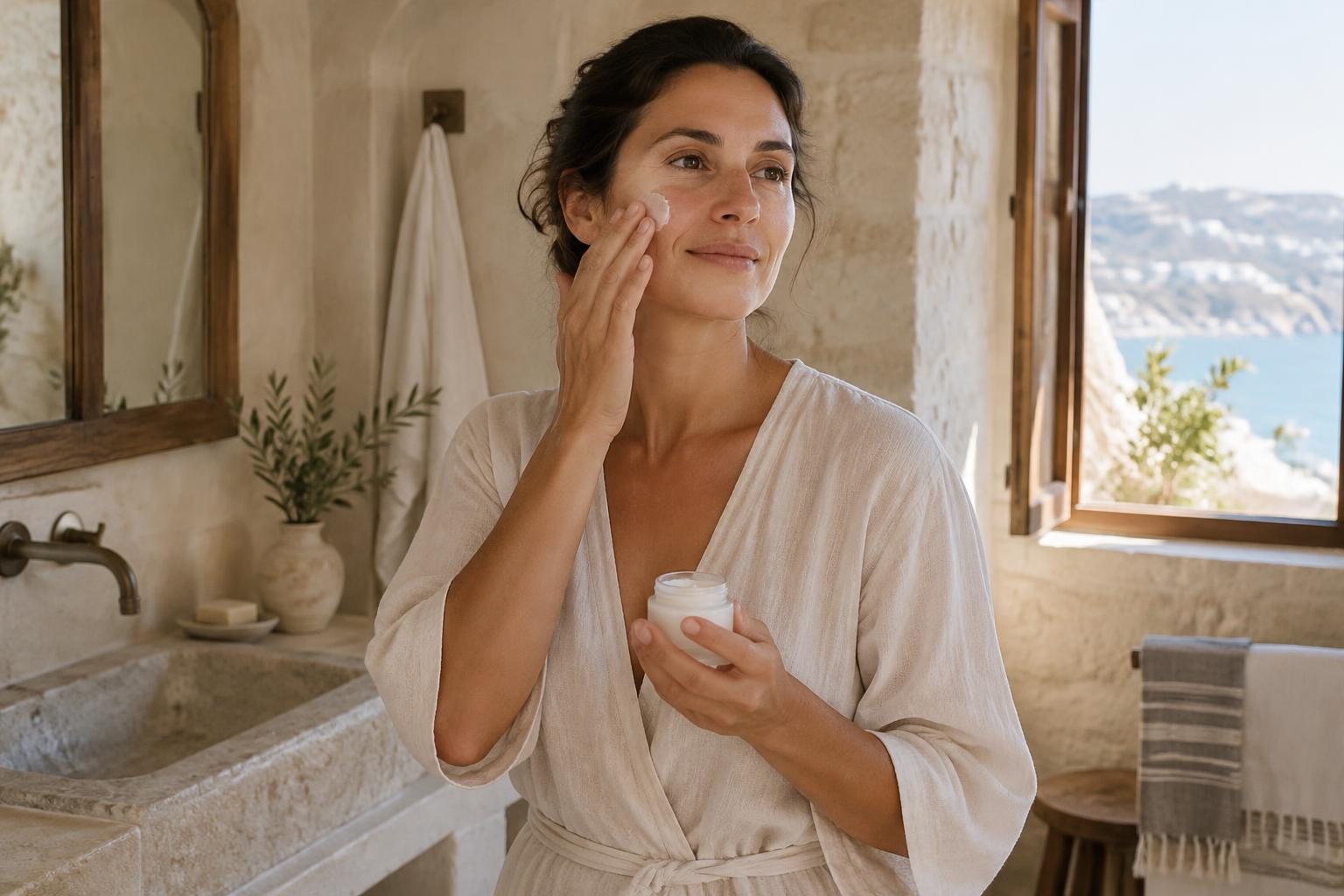
The Mediterranean-inspired philosophy at the heart of CALIADNE is not about rejecting progress.
It's about remembering that our wellbeing is influenced by the entirety of our lives, not simply the latest ingredient or intervention.
We can appreciate the possibilities of modern science while continuing to value the ordinary things that make life feel good.
The two ideas are not in competition.
In many ways, they belong together.
The Future Is Worth Watching
There are genuine reasons to be interested in peptide research.
Advances in biotechnology continue to expand the possibilities for developing treatments that interact with specific biological pathways.
New discoveries may eventually contribute to improved care for a range of medical conditions.
But the future of a promising technology is not the same as the evidence available today.
The most meaningful developments will be those that survive careful testing, demonstrate worthwhile benefits and establish an acceptable safety profile.
For consumers, this creates a more balanced way to participate in the conversation.
We don't need to dismiss every emerging idea simply because it is new.
But neither do we need to become early adopters of treatments whose effects are not yet understood.
It's possible to be fascinated by scientific progress without feeling compelled to try everything it produces.
It's possible to be fascinated by scientific progress without feeling compelled to try everything it produces.
Closing note
The CALIADNE Perspective
At CALIADNE, we believe that living well involves both curiosity and discernment.
We are interested in the science of healthy ageing, the evolution of beauty and the possibilities offered by medical research.
But we also believe that genuine wellbeing should never depend on chasing every emerging trend.
Peptides represent a fascinating area of science.
Some have already transformed medicine.
Others may become valuable treatments in the future.
And some of the promises currently circulating online may never be supported by convincing evidence.
The challenge is learning to recognise the difference.
Perhaps the most thoughtful approach to modern wellness is not to embrace every innovation or reject everything unfamiliar.
It's to remain open to discovery while respecting what science has — and has not — established.
To appreciate the possibilities of the future without overlooking the foundations of the present.
And to remember that ageing well is about far more than appearing younger.
It's about preserving our health, our independence, our confidence and our ability to enjoy the life unfolding around us.
Because the art of living well is not about finding a shortcut to youth.
It's about making informed choices that support a beautiful, meaningful life at every age.
The Art of Living Well.
Further Reading & Research
- Therapeutic Goods Administration — Peptide Products
- TGA and Australia's Chief Medical Officer — Public Health Risks of Unapproved Peptides (2026)
- UNSW Sydney — Injectable Peptides: What Evidence Do We Have They're Safe? (2026)
- Nukaly et al. — Oral and Topical Peptides for Skin Ageing: Systematic Review and Meta-analysis (2026)
- US Food and Drug Administration — Safety Risks of Certain Compounded Substances
- American Academy of Dermatology — How to Select Anti-Ageing Skincare Products
- Topical Peptide Treatments with Effective Anti-Aging Results
- Story of discovery: how different medications for diabetes and obesity emerged from basic research on one pancreatic hormone
- What’s New in Medications for Weight Management for People with Diabetes
- Emerging Use of BPC-157 in Orthopaedic Sports Medicine: A Systematic Review
This article is intended for general education and does not provide medical advice or recommend the use of experimental peptides. Individuals considering medical treatments should consult an appropriately qualified healthcare professional. Regulatory approvals and evidence may change over time.
← Back to Journal