Beauty & Self-Care · 13 min read
The Collagen Jelly Ritual
The beauty trend bringing an old-fashioned ingredient back into the spotlight.
· Updated
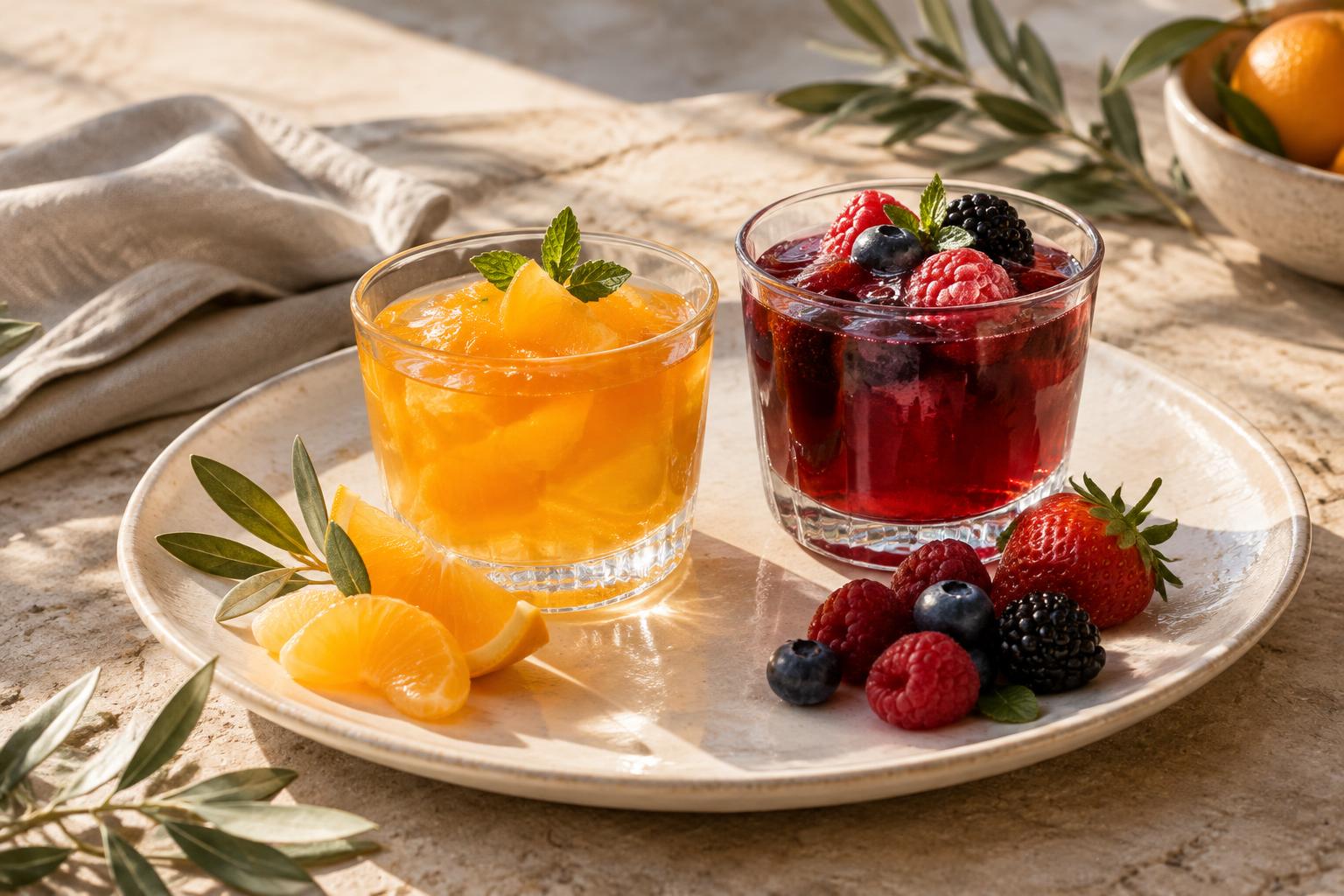
There is something wonderfully nostalgic about a little glass bowl of jelly.
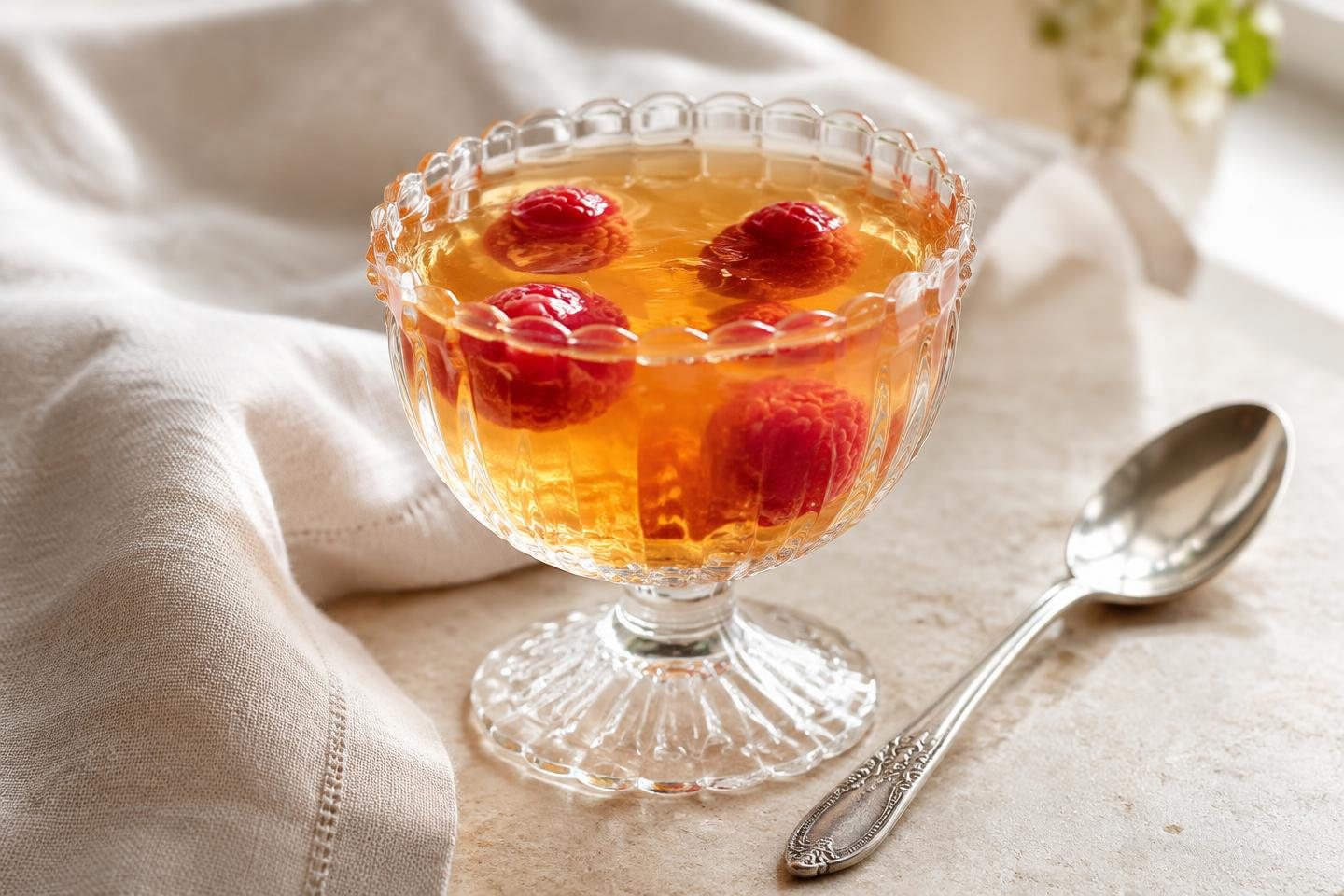
The delicate wobble of a softly set dessert. The colour of ripe summer fruit suspended beneath a translucent surface. The pleasure of something sweet, simple and lovingly prepared.
For many of us, jelly belongs to childhood memories, family gatherings and the familiar desserts that appeared at the end of a meal.
Yet this humble kitchen ingredient has recently found itself at the centre of a very modern conversation.
Collagen.
Across the world of beauty and wellness, collagen has become almost impossible to ignore. It appears in powders, drinks, supplements and increasingly in homemade recipes promising everything from firmer skin to a more youthful appearance.
One of the more intriguing trends involves something remarkably ordinary: making jelly with gelatin.
The idea is appealing.
Instead of expensive beauty supplements and elaborate wellness routines, could a simple homemade dessert provide a natural source of collagen?
And could something so familiar really have benefits for our skin?
As is often the case in wellness, the answer is more interesting than the promise.
An Old-Fashioned Ingredient With a Modern Following
Before collagen became a fashionable beauty ingredient, gelatin had already been used in kitchens for generations.
From delicate fruit jellies and panna cotta to traditional desserts and savoury preparations, its ability to transform liquid into a softly set texture has long made it a useful culinary ingredient.
Gelatin is produced by processing collagen obtained from animal connective tissues.
Collagen itself is an important structural protein found throughout the human body.
It contributes to the strength and structure of skin, tendons, ligaments, bones and other connective tissues.
Our bodies naturally produce collagen, although its production and organisation change as we age.
This is one reason collagen has attracted so much interest in the beauty industry.
But while collagen is essential for healthy skin, it doesn't automatically follow that eating more of it will produce visibly younger-looking skin.
To understand why, we need to look a little closer at the science.
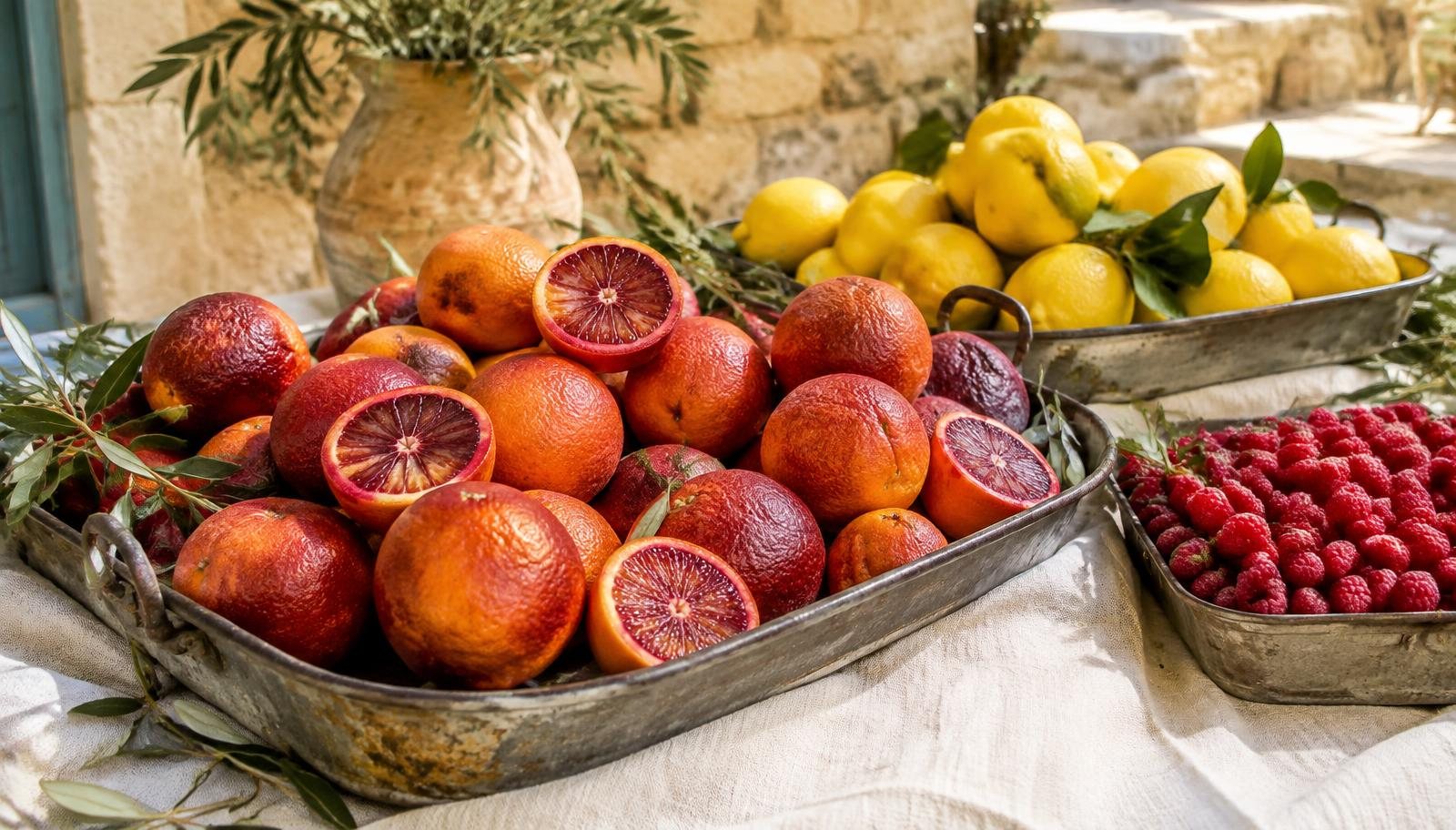
Collagen, Gelatin and Collagen Peptides: What's the Difference?
These three terms are often used interchangeably, particularly in social media recipes.
But they aren't quite the same thing.
Collagen is a structural protein naturally present in animal and human connective tissues.
Gelatin is produced by partially breaking down collagen through processing. When dissolved in warm liquid and cooled, its protein chains can form the soft structure that gives jelly its familiar texture.
Collagen peptides, sometimes called hydrolysed collagen, are broken down further into much smaller protein fragments.
These peptides generally dissolve easily in liquids but do not form jelly on their own.
All three are related, but they behave differently.
And here's an important distinction for anyone trying the homemade collagen jelly trend:
If you want a jelly that sets, you generally need culinary gelatin.
Ordinary collagen peptide powder won't produce the same result.
Gelatin is therefore a legitimate source of collagen-derived protein.
But a gelatin dessert should not be regarded as equivalent to a collagen supplement used in a clinical trial.
The quantities, processing and way the products are consumed may differ significantly.
What Happens When We Eat Collagen?
One of the most common misconceptions is that consuming collagen sends it directly to the skin.
The body doesn't work quite like that.
When we eat collagen-derived proteins, our digestive system breaks them down into amino acids and smaller peptides.
These are absorbed and used through normal metabolic processes.
Some collagen-derived peptides can enter the circulation, and researchers are investigating whether certain fragments may influence biological activity.
But the body doesn't simply take the collagen from a dessert and place it into wrinkles or areas where the skin has lost firmness.
Our ability to produce and maintain collagen depends on many factors, including nutrition, age, genetics, hormones and environmental exposure.
Adequate protein provides amino acids that the body can use to build and repair tissues.
Vitamin C is also essential for normal collagen synthesis.
And one of the most significant external influences on skin ageing is ultraviolet radiation from sunlight.
This is why a single ingredient, however interesting, cannot replace the broader foundations of healthy skin.
What Does the Research Actually Say?
The science surrounding oral collagen supplementation has attracted considerable attention.
Some randomised controlled trials have reported improvements in skin hydration, elasticity and other measures after participants consumed hydrolysed collagen supplements over several weeks.
These findings have helped fuel the popularity of collagen-based beauty products.
However, the quality and interpretation of the evidence remain important.
A 2025 systematic review and meta-analysis published in The American Journal of Medicine examined 23 randomised controlled trials involving 1,474 participants.
When researchers considered all the studies together, they found improvements in several skin-related outcomes.
But when they examined higher-quality studies or studies without pharmaceutical-company funding separately, the improvements were no longer statistically significant.
More recent reviews have continued to report some potentially favourable findings, particularly for skin hydration, while also acknowledging substantial differences between studies, relatively short research periods and concerns about bias.
Taken together, the evidence is mixed.
Some collagen supplements may have measurable effects on certain skin outcomes, but stronger independent research is needed to establish how meaningful and reliable those effects are.
And importantly, studies investigating concentrated collagen supplements do not demonstrate that ordinary homemade gelatin jelly produces the same results.
For now, the most sensible approach is to enjoy collagen-containing foods as part of a varied diet rather than treating them as proven anti-ageing remedies.
The Often-Overlooked Role of Vitamin C
While collagen receives much of the attention, another nutrient deserves a place in the conversation.
Vitamin C.
Our bodies require vitamin C to produce and maintain normal collagen.
It plays an essential role in processes involved in stabilising collagen's structure.
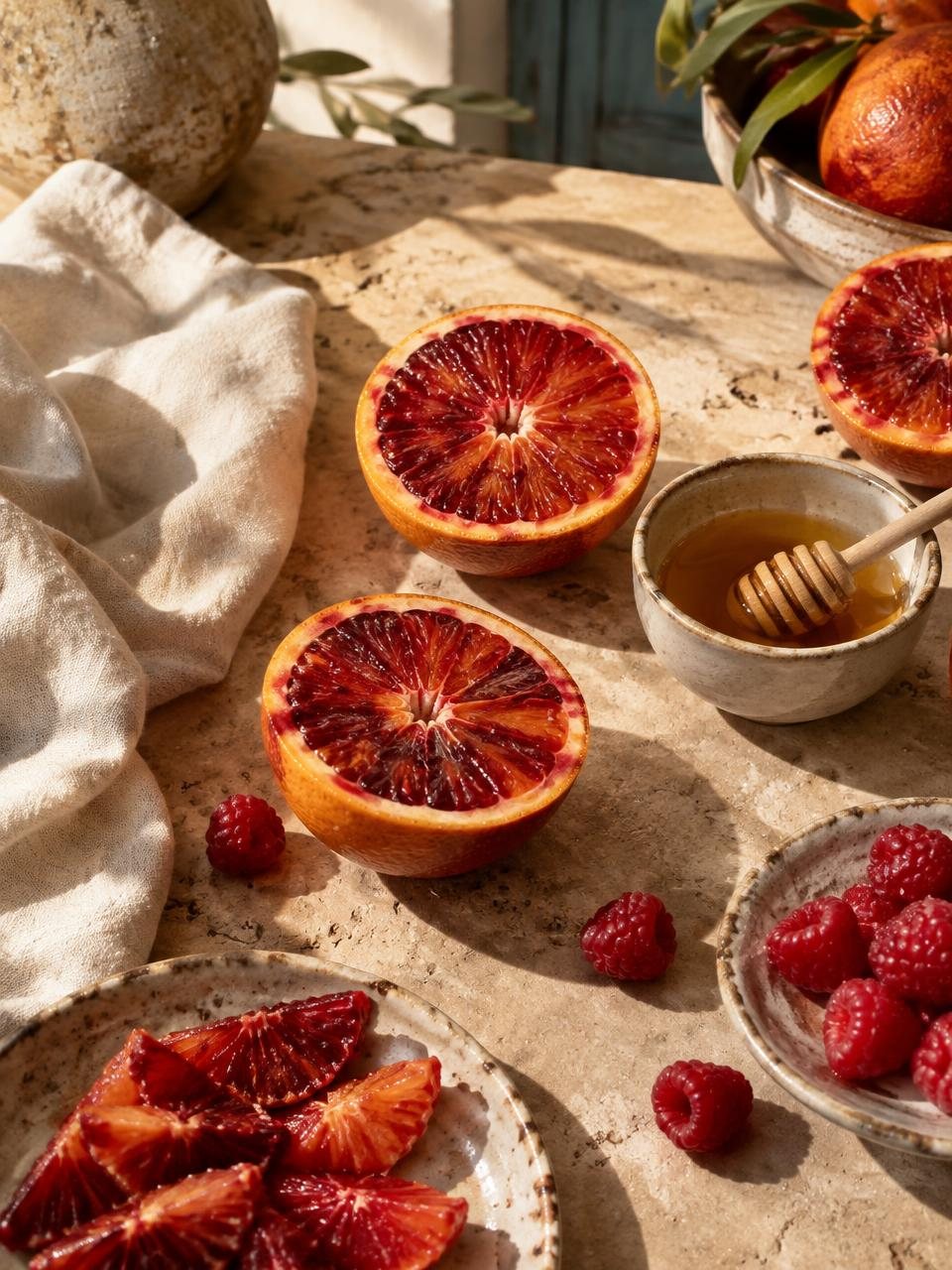
Without sufficient vitamin C, normal collagen formation is impaired.
Fortunately, vitamin C is readily available in many everyday foods.
Citrus fruits, strawberries, kiwifruit, peppers and leafy vegetables can all contribute to an adequate intake.
This is where a Mediterranean-inspired approach to nutrition becomes particularly appealing.
Fresh oranges from the market.
A bowl of strawberries in season.
A simple salad dressed with lemon.
These foods are valuable not because they promise to reverse ageing, but because they provide nutrients the body genuinely requires.
Pairing gelatin with vitamin C-rich fruit creates an enjoyable combination of ingredients.
However, there is no convincing clinical evidence that combining them in a jelly offers special skin benefits beyond their ordinary nutritional contribution.
And that's perfectly fine.
Not every beautiful food needs to be a treatment.
Not every beautiful food needs to be a treatment.
A Mediterranean-Inspired Approach to Beauty From Within
There is a certain contradiction in the way modern wellness sometimes approaches beauty.
We search for extraordinary ingredients while overlooking the everyday foods that have nourished people for generations.
Across Mediterranean food cultures, seasonal fruit, nuts, yoghurt, vegetables and simple home-prepared dishes have long been familiar parts of the table.
These traditions are not built around the idea of eating for perfect skin.
They are about flavour, nourishment, hospitality and enjoyment.
A homemade fruit jelly is not uniquely Mediterranean.
But it can be interpreted through the ingredients and atmosphere that inspire CALIADNE.
Think of freshly squeezed citrus, ripe berries, a little honey and an elegant glass bowl brought to the table after a meal.
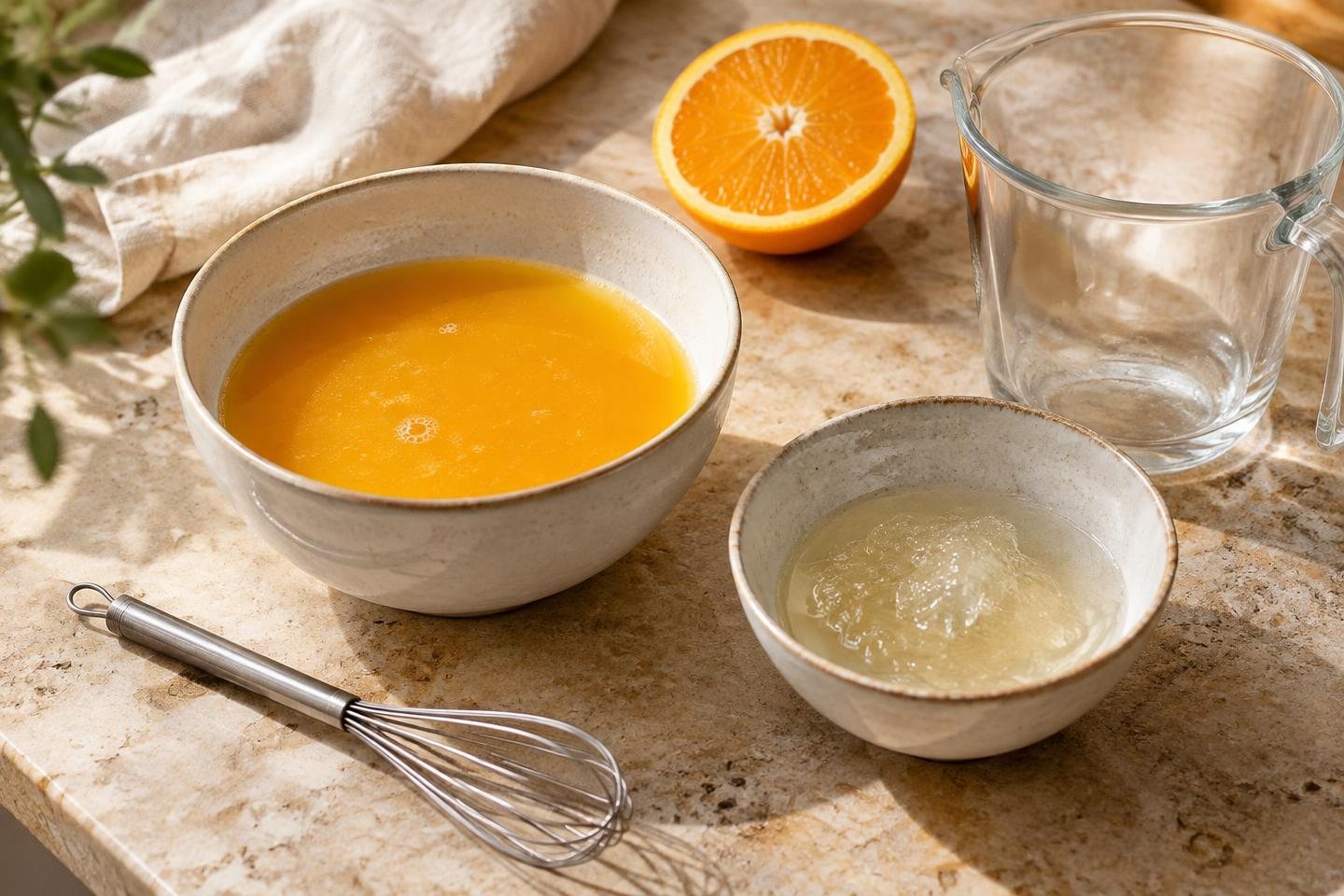
The result is a dessert that feels both nostalgic and contemporary.
Something uncomplicated, enjoyable and beautiful enough to serve when friends come to visit.
And perhaps that is a more meaningful reason to make it.
Not because it promises to transform our appearance.
But because preparing something lovely from simple ingredients is a pleasure in its own right.
The CALIADNE Kitchen: Citrus & Berry Collagen Jelly
From the Mediterranean Table
Citrus & Berry Collagen Jelly
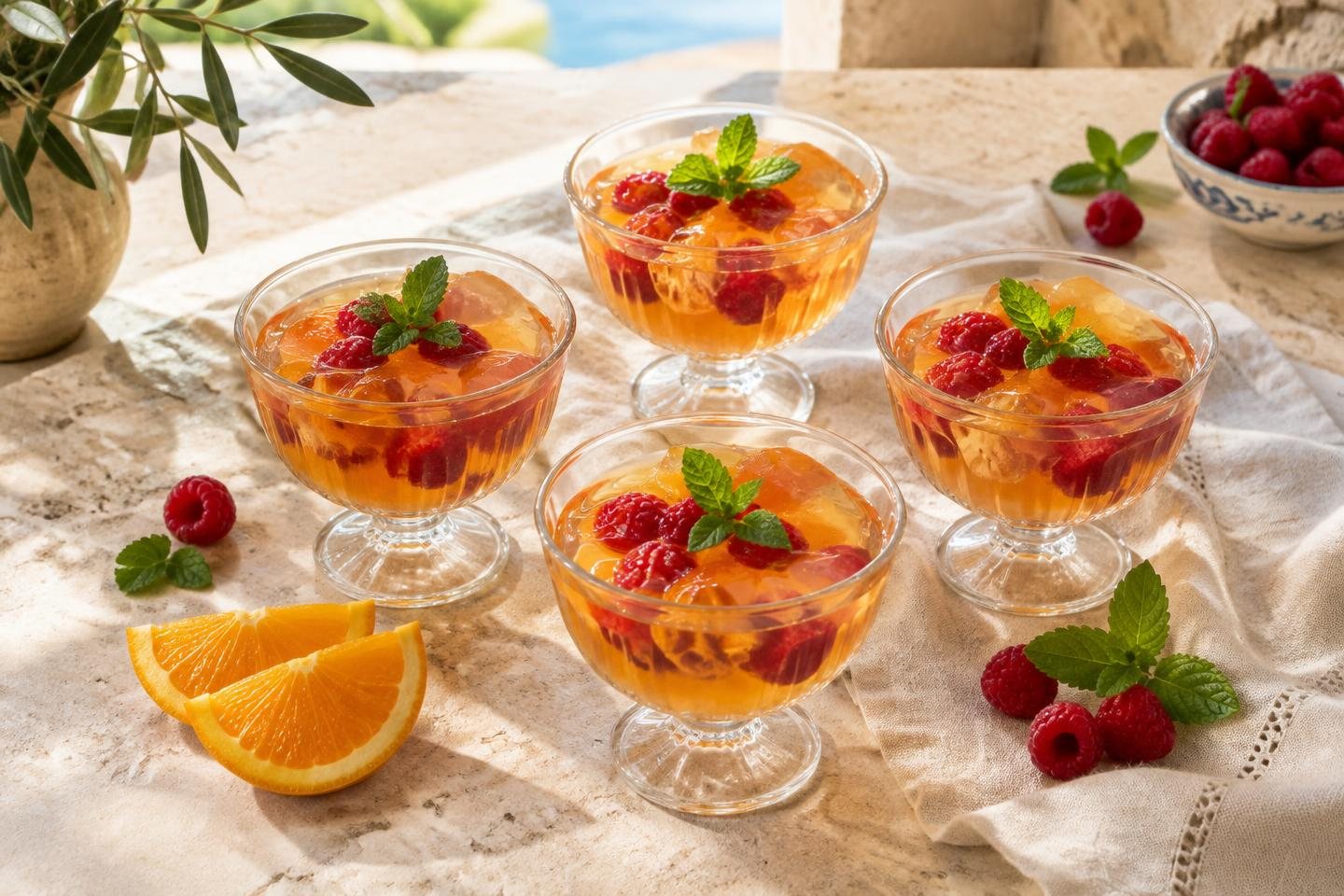
A delicate Mediterranean-inspired fruit jelly made with fresh citrus, seasonal berries and traditional gelatin. There is something quietly luxurious about the simplicity of this recipe. The soft amber colour of orange juice, the brightness of fresh berries and the gentle texture of gelatin come together in a dessert that feels light, elegant and wonderfully easy to prepare. Unlike artificially flavoured jelly mixes, this version uses real fruit juice and unflavoured culinary gelatin. It provides a small amount of collagen-derived protein, but its purpose is to be enjoyed as food — not prescribed as a beauty treatment.
- Servings
- 4
- Preparation
- Approximately 15 minutes
- Chilling / setting
- 4–6 hours, or until firm
Ingredients
- 350 ml freshly squeezed orange juice, strained
- 150 ml water, divided
- 7 g unflavoured culinary gelatin powder
- 100–120 g fresh raspberries or strawberries
- 1–2 teaspoons honey, optional
- A little finely grated orange zest, optional
- Fresh mint leaves for serving, optional
Method
- Prepare the fruit — Wash the berries and gently pat them dry. If using strawberries, cut larger ones into smaller pieces. Divide the fruit between four small serving glasses or dessert bowls.
- Bloom the gelatin — Pour 60 ml of the cold water into a small bowl. Sprinkle the gelatin evenly over the surface and leave it undisturbed for 5–10 minutes, until the granules have absorbed the liquid and become soft and spongy.
- Warm the remaining water — Heat the remaining 90 ml of water in a small saucepan until hot but not boiling. Remove it from the heat and add the bloomed gelatin. Stir gently until the gelatin has dissolved completely and no granules remain. If using honey, stir it into the warm mixture now.
- Add the citrus — Gradually stir in the strained orange juice, ideally at room temperature, followed by a little orange zest if desired. Mix gently until evenly combined. Avoid boiling the finished mixture, as excessive heat can weaken gelatin's setting ability.
- Pour and refrigerate — Carefully divide the liquid between the prepared glasses, allowing it to settle around the berries. Refrigerate for approximately 4–6 hours or until fully set. The exact time and firmness will depend on your gelatin and serving dishes.
- Serve simply — Finish with a small mint leaf, a few extra berries or a delicate curl of orange zest. Serve chilled.
Kitchen-tested recipe (owner-confirmed).
Recipe notes
Choose the right gelatin. Use unflavoured culinary gelatin, not ordinary hydrolysed collagen peptide powder. Gelatin strength differs between brands, so check the packaging.
Keep it seasonal. Blood oranges can add a beautiful colour when available. Fresh strawberries, raspberries and other suitable berries can be varied according to the season.
Be mindful of substitutions. Fresh pineapple, kiwi and papaya contain enzymes that may prevent gelatin from setting unless appropriately heat-treated.
Check dietary requirements. Standard gelatin is animal-derived and is not vegetarian. Agar-agar can create a plant-based jelly but requires a different recipe and does not contain collagen.
Storage
Keep the jelly covered in the refrigerator and enjoy within approximately two days.
Kitchen-tested CALIADNE recipe (owner-confirmed). Kitchen testing does not establish any clinical skin benefit.
Allergens: Contains animal-derived gelatin; check all ingredient packaging and dietary requirements.
Can Homemade Jelly Really Support Skin Health?
There is an important detail worth considering when discussing gelatin as a beauty food.
Quantity.
A recipe using seven grams of gelatin divided between four servings provides less than two grams of gelatin per serving.
The amount and form are not directly equivalent to the hydrolysed collagen products used in clinical trials.
Gelatin is also an incomplete protein, meaning it does not provide all essential amino acids in sufficient proportions.
It can contribute to overall protein intake, but it shouldn't replace a variety of more complete protein sources.
This doesn't make homemade jelly unhealthy or without nutritional value.
It simply means we should be realistic about what it provides.
The fruit contributes flavour and some nutrients, including vitamin C, although the amount will vary with the ingredients and preparation.
And because fruit juice contains less fibre than whole fruit, a jelly dessert is not a substitute for eating a variety of whole fruits and vegetables.
Consider it a small part of an overall balanced diet.
Something pleasant rather than something essential.
The Real Foundations of Healthy Skin
If our goal is to support skin health as we age, the evidence points towards a much broader picture than collagen alone.
Nourishment
A varied diet containing adequate protein, fruits, vegetables and essential nutrients helps provide the materials required for normal tissue maintenance.
Sun protection
UV exposure is a major contributor to premature skin ageing.
Consistent sun protection, including appropriately used broad-spectrum sunscreen, protective clothing and shade, remains one of the most established preventive approaches.
Rest and recovery
Adequate sleep supports overall health and normal physiological functioning, although it should not be viewed as a treatment that reverses skin ageing.
Everyday skincare
Gentle cleansing, appropriate moisturising and evidence-based skincare can help protect the skin barrier and improve certain appearance-related concerns.
Realistic expectations
Ageing is a natural biological process.
No food, supplement or beauty ritual can completely prevent it.
But there are meaningful ways to care for our skin and support our health throughout life.
And most don't require extraordinary routines.
When a Beauty Ritual Becomes an Everyday Pleasure
One of the loveliest things about the homemade collagen jelly trend is that it invites people back into the kitchen.
Rather than opening another supplement container, we're preparing something with our hands.
Choosing fruit. Measuring ingredients. Pouring a mixture into small glass bowls and waiting for it to set.
These are ordinary acts, but there's pleasure in them.

There is also something refreshing about separating a ritual's enjoyment from its promised outcome.
You don't need to believe a dessert will transform your skin in order to appreciate it.
You can simply enjoy making it.
Serve it after a Mediterranean-inspired lunch.
Prepare a few small glasses for friends.
Enjoy it on a warm afternoon with fresh fruit.
Or let it become one of those familiar recipes you return to because you genuinely love it.
The value of a ritual doesn't always need to be measured in visible results.
Sometimes, the experience itself is enough.
Sometimes, the experience itself is enough.
Closing note
The CALIADNE Perspective
At CALIADNE, we are curious about the relationship between nutrition, beauty and healthy ageing.
We believe scientific research can help us make more informed choices.
But we also believe that food should remain a source of pleasure, not become another collection of promises we feel pressured to pursue.
The collagen jelly trend is a wonderful example of why these ideas belong together.
There is real science behind collagen, gelatin and the nutrients involved in normal skin health.
There are also important limits to what research currently tells us about collagen supplements and homemade gelatin desserts.
Understanding that difference allows us to enjoy the ritual without unrealistic expectations.
A beautiful little bowl of citrus jelly doesn't need to be a secret to youthful skin.
It can simply be a homemade dessert prepared with care, inspired by Mediterranean ingredients and enjoyed as part of a nourishing everyday life.
Because true wellness isn't found in turning every meal into a treatment.
It's found in creating a life where nourishment, curiosity and simple pleasures can exist together.
And sometimes, the sweetest rituals are the ones that ask nothing of us except to enjoy them.
The Art of Living Well.
Further Reading & Research
- National Institutes of Health — Vitamin C and Collagen Formation
- Myung et al. — Effects of Collagen Supplements on Skin Aging, The American Journal of Medicine (2025)
- Moltó-Balado & Simeó-Monzó — Oral Collagen Supplementation for Skin Hydration and Elasticity (2026)
- American Academy of Dermatology — Reducing Premature Skin Ageing
- King Arthur Baking — How to Use Gelatin in Baking and Desserts
- Hydrolyzed collagen: Exploring its applications in the food and beverage industries and assessing its impact on human health – A comprehensive review
- Identification of food-derived collagen peptides in human blood after oral ingestion of gelatin hydrolysates
- Significant Amounts of Functional Collagen Peptides Can Be Incorporated in the Diet While Maintaining Indispensable Amino Acid Balance
This article is intended for general education and inspiration. It does not replace personalised medical or nutritional advice. The recipe is a culinary suggestion, not a clinically validated skin treatment.
← Back to Journal