Movement & Fitness · 12 min read
Movement as Ritual
On the beauty of everyday movement, the science of staying active and why a well-lived life doesn't have to revolve around the gym.
· Updated
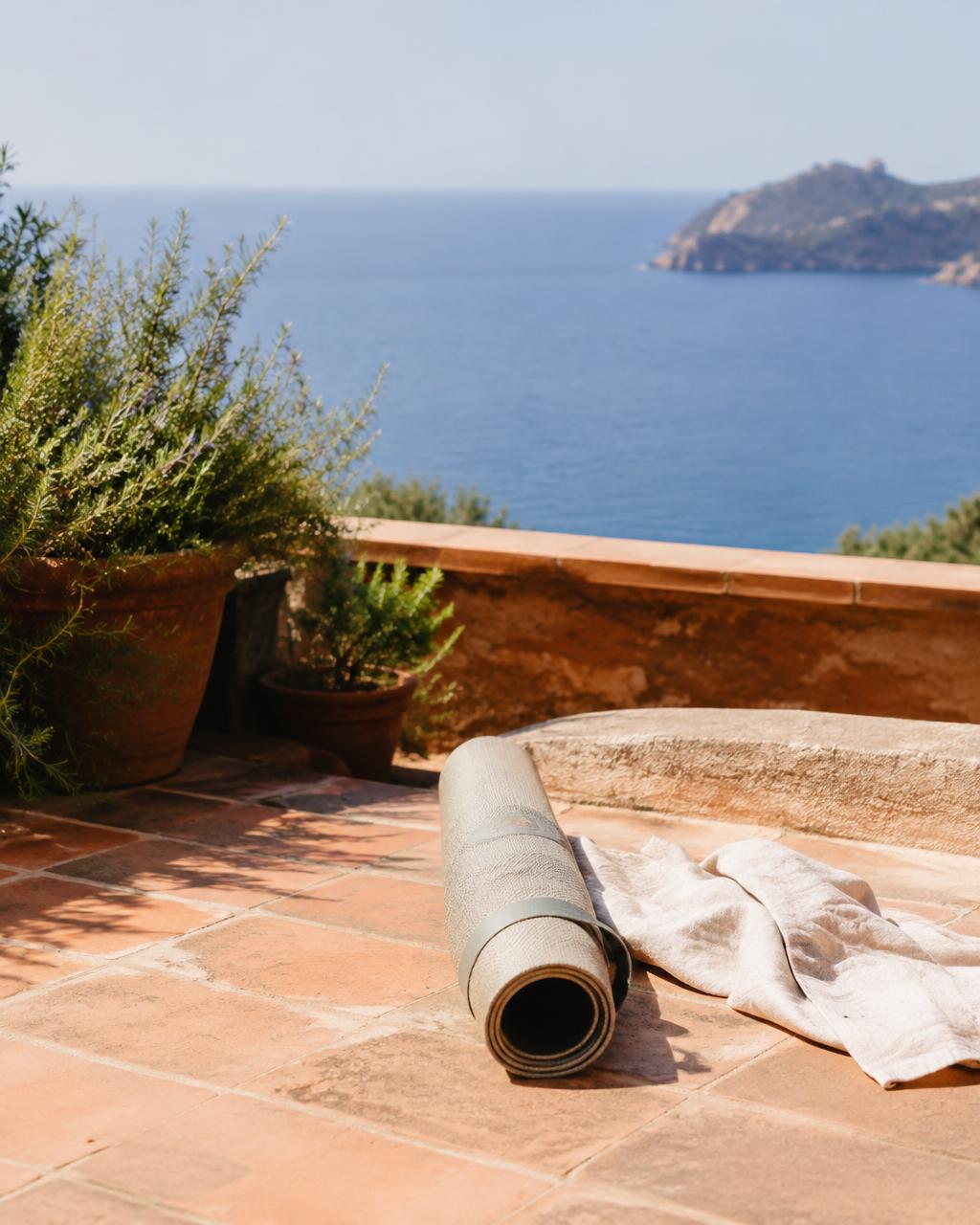
There is a certain freedom in movement that has nothing to do with exercise.
A morning walk before the streets become busy. A swim in the sea on a warm afternoon. The familiar rhythm of climbing the stairs, tending a garden or wandering through a neighbourhood with nowhere particular to be.
These are not the moments we typically associate with fitness.
There are no performance goals, personal records or carefully calculated calories. No expectation to move faster, work harder or accomplish something extraordinary.
And yet, these simple movements are an important part of how we experience the world.
Somewhere along the way, physical activity became something many of us felt we needed to schedule, track and optimise.
We began measuring our success in steps, kilometres, repetitions and minutes.
But what if movement could be something more natural?
Not another obligation in an already demanding day, but an everyday ritual that supports the way we want to live.
Rethinking Our Relationship With Movement
The modern approach to fitness can be surprisingly complicated.
There are countless workout programmes, wearable devices, training methods and opinions about the best way to exercise.
For some people, these tools provide structure, motivation and a genuine sense of enjoyment.
For others, they can make physical activity feel like yet another area of life where we're expected to perform.
But movement doesn't need to be all or nothing.
A walk through the park is movement. So is cycling to work, dancing in the kitchen or spending an afternoon gardening.
Strength training, swimming, Pilates, running and organised sport all have their place too.
The important distinction is that exercise is one form of physical activity, not the only form.
And while different types of movement provide different benefits, we don't need to make every active moment feel like a workout.
There is value in simply becoming a little more active throughout our ordinary lives.

What the Science Tells Us About Moving More
The health benefits of regular physical activity are among the most thoroughly researched topics in preventive health.
Physical activity supports cardiovascular health, muscular strength, bone health and metabolic function.
It can also contribute to better sleep, improved mental wellbeing and a reduced risk of several chronic diseases.
According to the World Health Organization, adults should aim for approximately 150–300 minutes of moderate-intensity aerobic physical activity per week, or 75–150 minutes of vigorous-intensity activity, or an equivalent combination.
The WHO also recommends muscle-strengthening activities involving the major muscle groups on at least two days each week.
At first, these recommendations can sound like another set of targets to achieve.
But they become more approachable when viewed as part of everyday life.
Moderate activity might include brisk walking, recreational cycling or other movement that raises your breathing and heart rate.
During moderate-intensity aerobic activity, you can generally talk, but not sing.
And importantly, physical activity doesn't have to happen in long, uninterrupted sessions to contribute to your weekly total.
The WHO emphasises that some physical activity is better than none.
For someone who currently moves very little, beginning with a few minutes of additional activity can be a meaningful first step.
Progress doesn't have to begin with intensity.
It can begin with simply showing up.
The Remarkable Simplicity of Walking
If there is one form of movement that captures the CALIADNE philosophy, it might be walking.
It requires relatively little equipment, can be adapted to different abilities and fits naturally into many parts of daily life.
Walking can also offer something beyond physical activity.
It gives us an opportunity to explore our surroundings, spend time outdoors, have a conversation or enjoy a few moments without the constant stimulation of a screen.
And research suggests that increasing daily steps can be associated with important long-term health benefits.
A 2023 systematic review and meta-analysis published in the Journal of the American College of Cardiology examined data from more than 111,000 participants.
Researchers found that higher daily step counts were associated with lower risks of death and cardiovascular disease, with benefits appearing at step counts well below the often-quoted goal of 10,000 steps per day.
This is encouraging, particularly for people who feel discouraged by ambitious activity targets.
However, these findings describe associations across populations. They don't establish that a specific number of steps guarantees a particular health outcome for an individual.
Nor is there one perfect step count that suits every age, body or lifestyle.
The broader message is more useful.
Moving more than you currently do can be worthwhile, even when the increase seems modest.
Moving more than you currently do can be worthwhile, even when the increase seems modest.
A short walk after lunch. A few extra minutes on your feet. Choosing to walk somewhere nearby when it's practical.
The small opportunities are worth noticing.
A Mediterranean Perspective on Active Living
In many Mediterranean towns and villages, walking is woven into everyday culture.
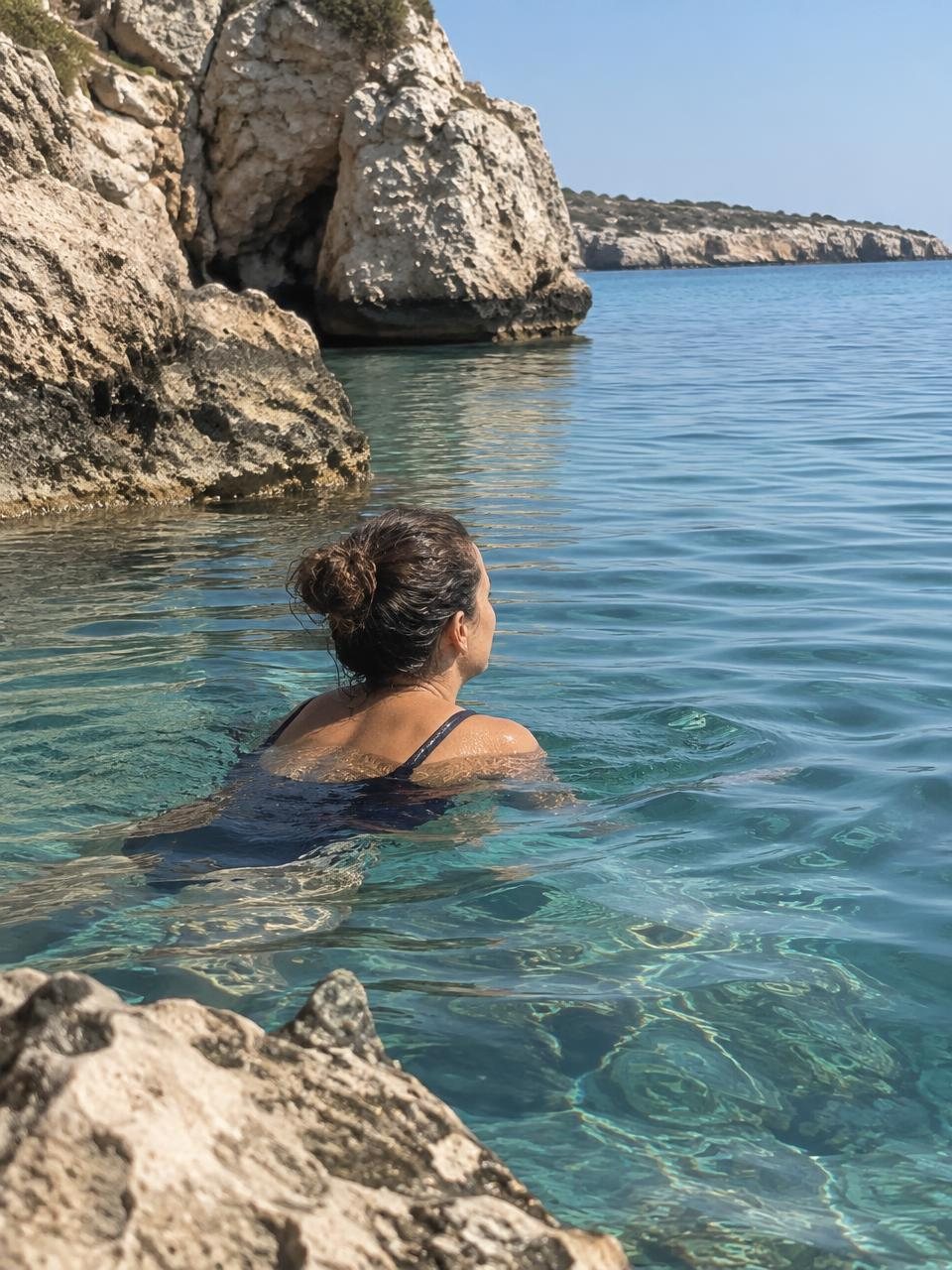
There are evening strolls along the waterfront, trips to local markets, visits with neighbours and the simple pleasure of spending time outdoors.
In Greece, the tradition of the volta — an evening stroll — reflects the social pleasure of walking without necessarily having a destination.
In Cyprus, a walk along the seafront or through a village can be as much about enjoying the atmosphere as getting from one place to another.
These customs are not universal, and Mediterranean communities experience the same modern challenges of inactivity, car dependence and busy schedules as anywhere else.
But they provide a lovely reminder that movement can have a purpose beyond fitness.
It can connect us to our surroundings.
It can give us time with the people we love.
And it can become something we look forward to rather than something we feel obligated to complete.
The appeal isn't about romanticising a particular region or assuming that everyone living beside the Mediterranean enjoys better health.
It's about drawing inspiration from everyday customs that make an active life feel natural, pleasurable and sustainable.
Movement and the Art of Healthy Ageing
When we think about ageing well, appearance often receives more attention than physical capability.
But the ability to continue doing the things we enjoy is an equally important part of long-term wellbeing.
Walking comfortably. Carrying groceries. Climbing stairs. Playing with children or grandchildren. Travelling, exploring and maintaining independence.
These everyday abilities rely on a combination of cardiovascular fitness, strength, mobility and balance.
Regular physical activity can help preserve many of these functions as we age.
Resistance training is particularly important because it helps maintain or improve muscular strength.
This doesn't necessarily mean lifting heavy weights in a gym.
Exercises using resistance bands, appropriately challenging bodyweight movements or weights can all contribute to building strength.
Balance activities also become increasingly important with age, particularly for reducing the risk of falls.
The WHO recommends that older adults include varied multicomponent activity emphasising functional balance and strength training at moderate or greater intensity on three or more days a week.
It's worth remembering that a daily walk, although valuable, doesn't provide every benefit associated with strength and balance training.
A rounded approach to healthy ageing makes room for different kinds of movement.
Not because every day needs to become a training programme.
But because strength, confidence and physical capability allow us to enjoy more of the life around us.
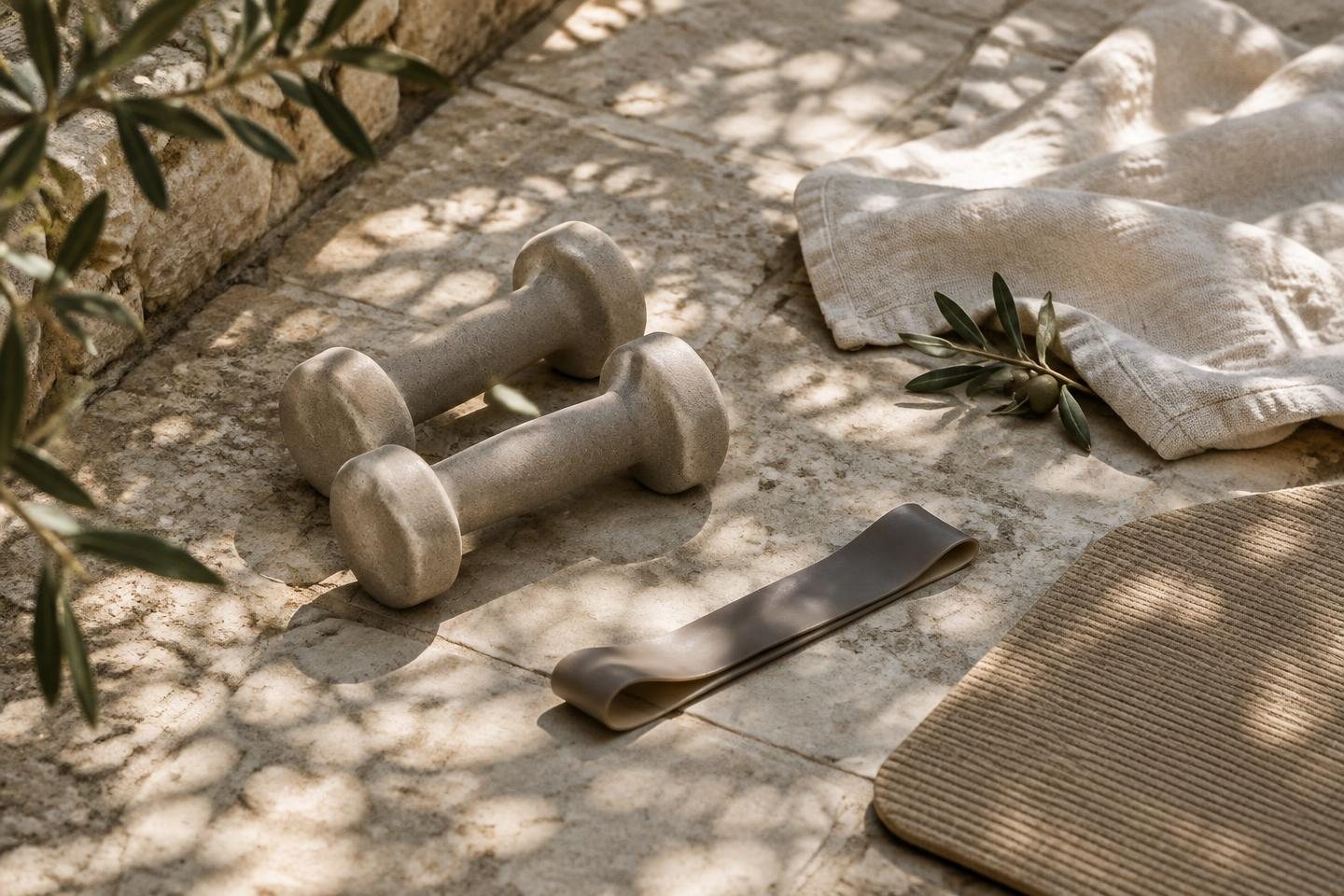
Five Ways to Make Movement Feel Like a Ritual
The most sustainable routines are often the ones that fit naturally into our lives.
Rather than redesigning your entire schedule, consider where movement might bring a little more enjoyment to something you already do.
Ritual 1: Begin with a morning walk
There is something quietly restorative about experiencing the world before the day gathers momentum.
The changing light. The fresh air. The simple rhythm of putting one foot in front of the other.
A morning walk can provide an opportunity for aerobic activity, daylight exposure and a few moments away from screens.
It doesn't need to be long or particularly fast to be enjoyable.
If your goal is to build cardiovascular fitness, gradually increasing your pace or duration may help.
But on days when you simply want to step outside and clear your head, allow that to be enough.
Ritual 2: Rediscover the pleasure of walking after a meal
In many Mediterranean communities, an evening stroll is a familiar social tradition.
It's an opportunity to continue a conversation, enjoy the cooler air or simply move after spending time at the table.
Research also suggests that light walking after meals can help moderate post-meal blood glucose responses, although the size of the effect varies depending on the person, meal and duration of activity.
You don't need to turn every meal into a timed walking session.
Try taking a comfortable stroll after dinner when it feels practical.
It may become one of the most enjoyable parts of your evening.
Ritual 3: Find movement that makes you feel good
Not everyone enjoys running, lifting weights or attending group fitness classes.
And that's perfectly fine.
You might love swimming, cycling, dancing, hiking or practising yoga.
Perhaps you enjoy the discipline of martial arts, the rhythm of a long walk or the satisfaction of becoming stronger through resistance training.
There's no single activity that everyone needs to enjoy.
What matters is finding a combination that supports your physical needs and feels realistic enough to continue.
Enjoyment isn't a substitute for adequate activity, but it can be a powerful reason to keep coming back.
Ritual 4: Give strength a place in your week
Strength is an investment in what your body can do.
Carrying luggage. Lifting everyday objects. Maintaining good posture. Getting up and down from the floor with confidence.
Consider introducing two appropriately challenging strength sessions each week.
This might involve a gym programme, a guided home workout or exercises using resistance bands and bodyweight.
Start at a level suited to your ability and gradually build from there.
The goal isn't necessarily to change how your body looks.
It's to support what your body allows you to experience.
Ritual 5: Let ordinary life keep you moving
Sometimes the easiest opportunities are already part of your day.
Taking the stairs when appropriate. Walking to a local café. Spending time in the garden. Playing actively with children. Getting up periodically during long stretches of desk work.
Not every household task reaches the intensity required to count towards aerobic activity recommendations, but reducing prolonged inactivity and increasing overall movement can still be worthwhile.
These moments may seem unremarkable individually.
Yet together, they help create a lifestyle in which movement is a familiar part of daily living rather than something reserved for a particular time or place.
When Doing Less Is Also Part of Living Well
There is another side to a healthy relationship with movement.
Knowing when to rest.
The body needs opportunities to recover from physical effort, particularly after demanding exercise.
Sleep, sufficient nourishment and sensible recovery all contribute to adaptation and wellbeing.
And there will be days when movement needs to look different.
Illness, injury, pregnancy, disability, chronic health conditions and periods of significant stress can influence what is appropriate or possible.
For some people, a gentle walk may be suitable. For others, rest, rehabilitation or adapted activities may be the better choice.
Persistent pain, unusual symptoms or uncertainty about exercising with a medical condition deserve professional guidance.
Movement should support your quality of life, not become another source of pressure.
Movement should support your quality of life, not become another source of pressure.
A rest day isn't a failure.
It's simply one part of a balanced approach to caring for yourself.
The CALIADNE Approach to Everyday Movement
Imagine a week in which movement doesn't feel separate from the rest of your life.
Perhaps Monday begins with a walk in the morning light.
Tuesday includes a strength session that leaves you feeling capable and energised.
Wednesday brings a quiet evening stroll after dinner.
Thursday is busy, but you make time to get up from your desk, stretch and move between tasks.
Friday might include swimming, cycling or a favourite fitness class.
The weekend brings a longer walk, a little gardening, a family outing or simply movement that feels enjoyable.
There is no expectation that this example represents the ideal amount of activity for everyone. Some of these sessions would need sufficient intensity and duration to meet aerobic guidelines, alongside dedicated strength work.
It's simply a way of imagining movement as part of a full and enjoyable life.
One that makes room for work, family, pleasure, recovery and the unexpected.
A life in which being active is not always about becoming a different version of yourself.
Sometimes, it's about having the energy, confidence and physical freedom to enjoy being exactly where you are.
Closing note
The CALIADNE Perspective
At CALIADNE, we believe movement is one of the simplest ways to participate more fully in life.
Not every walk needs a destination.
Not every workout needs to be measured.
Not every active moment needs to contribute towards a personal goal.
There is value in building strength and improving fitness, just as there is value in a peaceful stroll, an afternoon swim or dancing to a favourite song.
The science gives us compelling reasons to move regularly.
But everyday life gives that movement meaning.
Perhaps the most beautiful approach is to bring the two together.
To care for our bodies not because they need to meet an ideal, but because they carry us through experiences worth having.
And to remember that living well isn't simply about how long we live.
It's about continuing to move through the world with confidence, curiosity and joy.
The Art of Living Well.
Further Reading & Research
- World Health Organization — Guidelines on Physical Activity and Sedentary Behaviour
- CDC — Health Benefits of Physical Activity for Adults
- Journal of the American College of Cardiology — Relationship of Daily Step Counts to All-Cause Mortality and Cardiovascular Events (2023)
- Preventive Medicine — Daily Steps and All-Cause Mortality: Umbrella Review and Meta-analysis (2024)
- World Health Organization — Physical Activity and Healthy Ageing
- CDC — Measuring Physical Activity Intensity
- WHO Europe — Physical activity
This article is intended for general education and inspiration and does not replace individual medical advice. Physical activity should be adapted to individual abilities, health conditions and circumstances.
← Back to Journal